Reflections on 2025; a year of innovative research and decisive action to protect children online

December 23, 2025

As 2025 draws to a close, we would like to take a moment to reflect on the many achievements of WeProtect Global Alliance’s worldwide members and Secretariat, who continue to work tirelessly to make the digital world a safer place for children and young people.
Technology-facilitated child sexual exploitation and abuse sadly remains one of the most urgent and defining issues of our time. Data and insights from our newly launched Global Threat Assessment 2025 demonstrates the vast scale and nature of the problem which continues to grow and evolve at pace.
Yet despite these challenges, the past 12 months have also shown what is possible when we come together. There is much progress to celebrate and learn from as we move into a new year.
International momentum continues
One year on from our landmark 2024 Global Summit, which brought together more than 1,000 global leaders in online child protection in Abu Dhabi and online, we have been encouraged to see a growing wave of international momentum to protect children online.
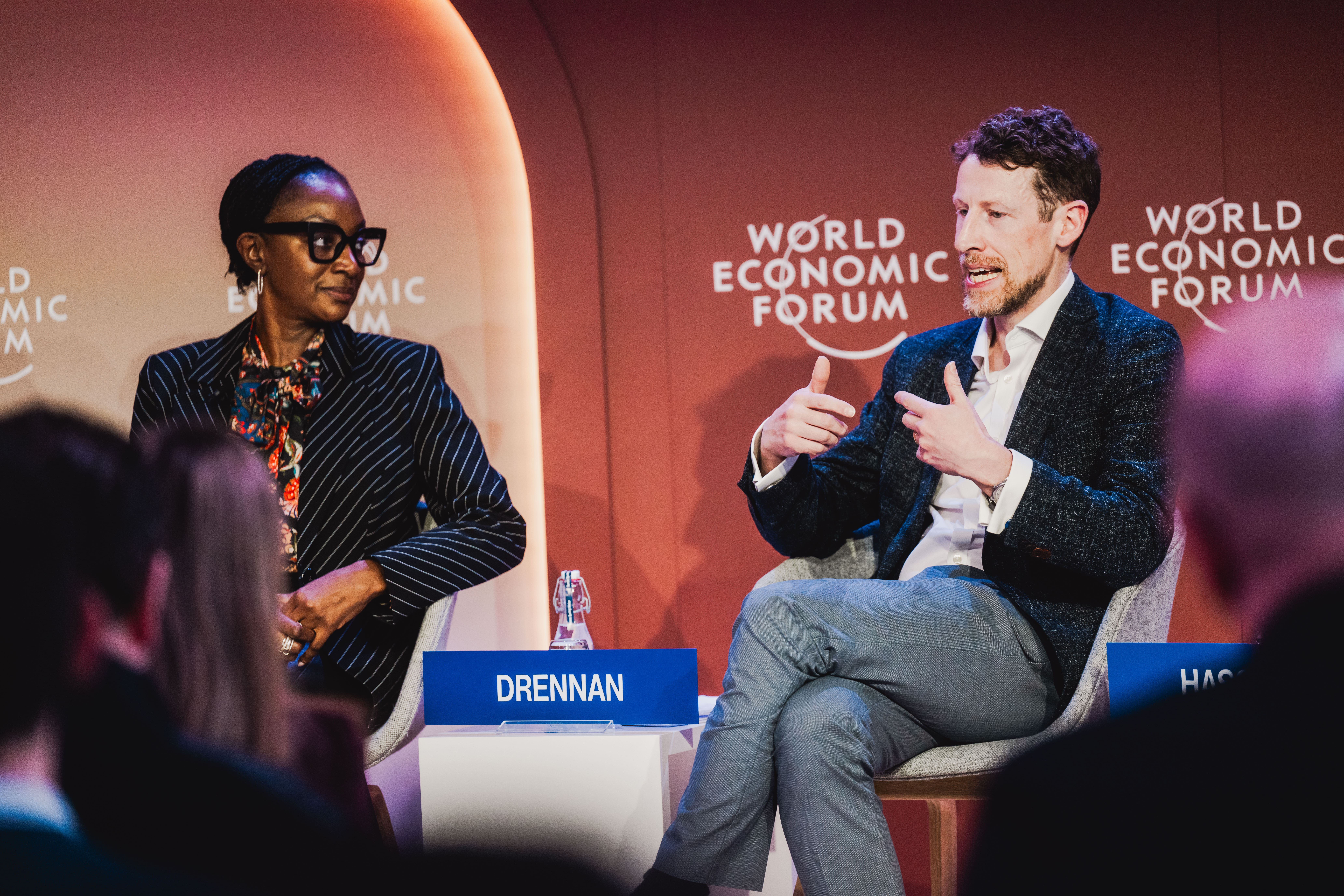
At the start of the year, following endorsement of the seminalUN Convention against Cybercrime, WeProtect Global Alliance’s Executive Director, Iain Drennan, joined global leaders from the United Nations High Commissioner for Human Rights, the European Commission, Pinterest and Human Rights Watch at the 2025 World Economic Forum in Davos to discuss content moderation and child rights.
Throughout 2025, we continued to contribute to critical global dialogues. We were proud to present at the launch of the Second Edition of the Terminology Guidelines for the Protection of Children from Sexual Exploitation and Abuse hosted by ECPAT International in April, alongside partners from UNICEF and INHOPE. The updated guidelines provide an essential framing and shared language for discussing and tackling the issue and supporting victims.
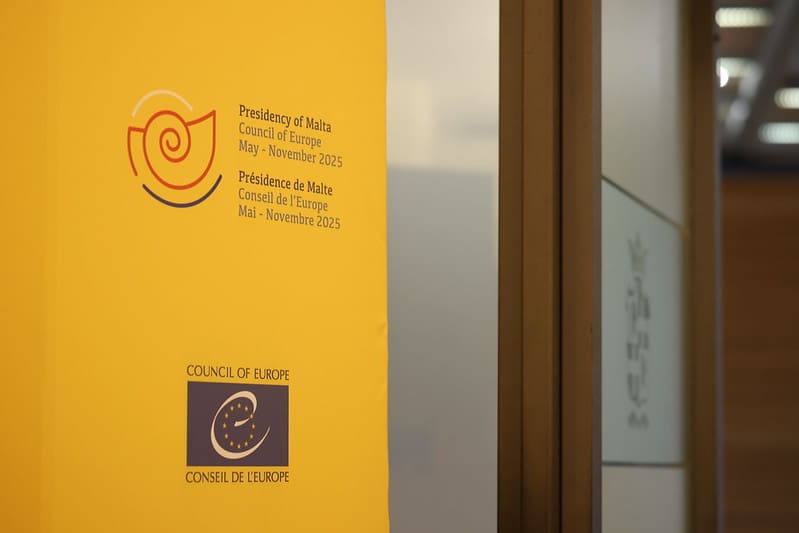
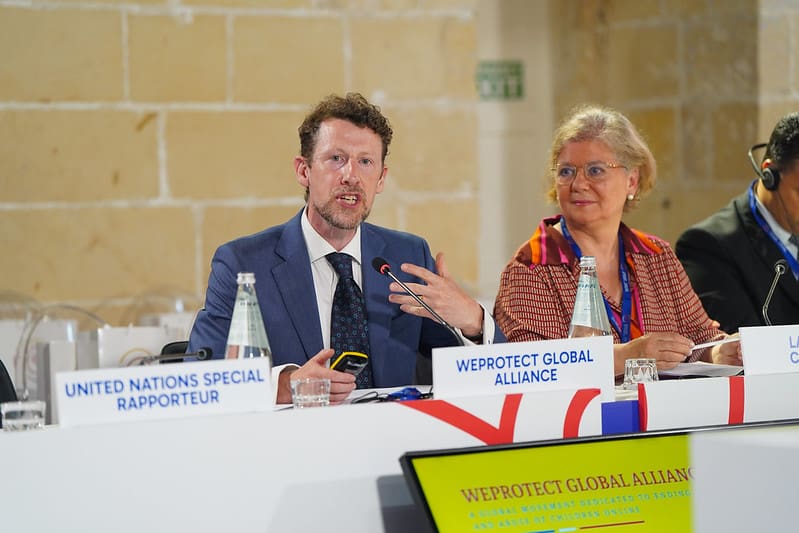
In July, Iain addressed ministers at the Informal Conference of Ministers in Malta and highlighted the importance of deploying Safety by Design, aligning global internet regulation and applying public health approaches to prevention. The conference concluded with the unanimous adoption of a Declaration, formally recognising the achievements and challenges since the Lanzarote Convention in 2010 and setting a path forward to protect children from sexual exploitation and abuse.
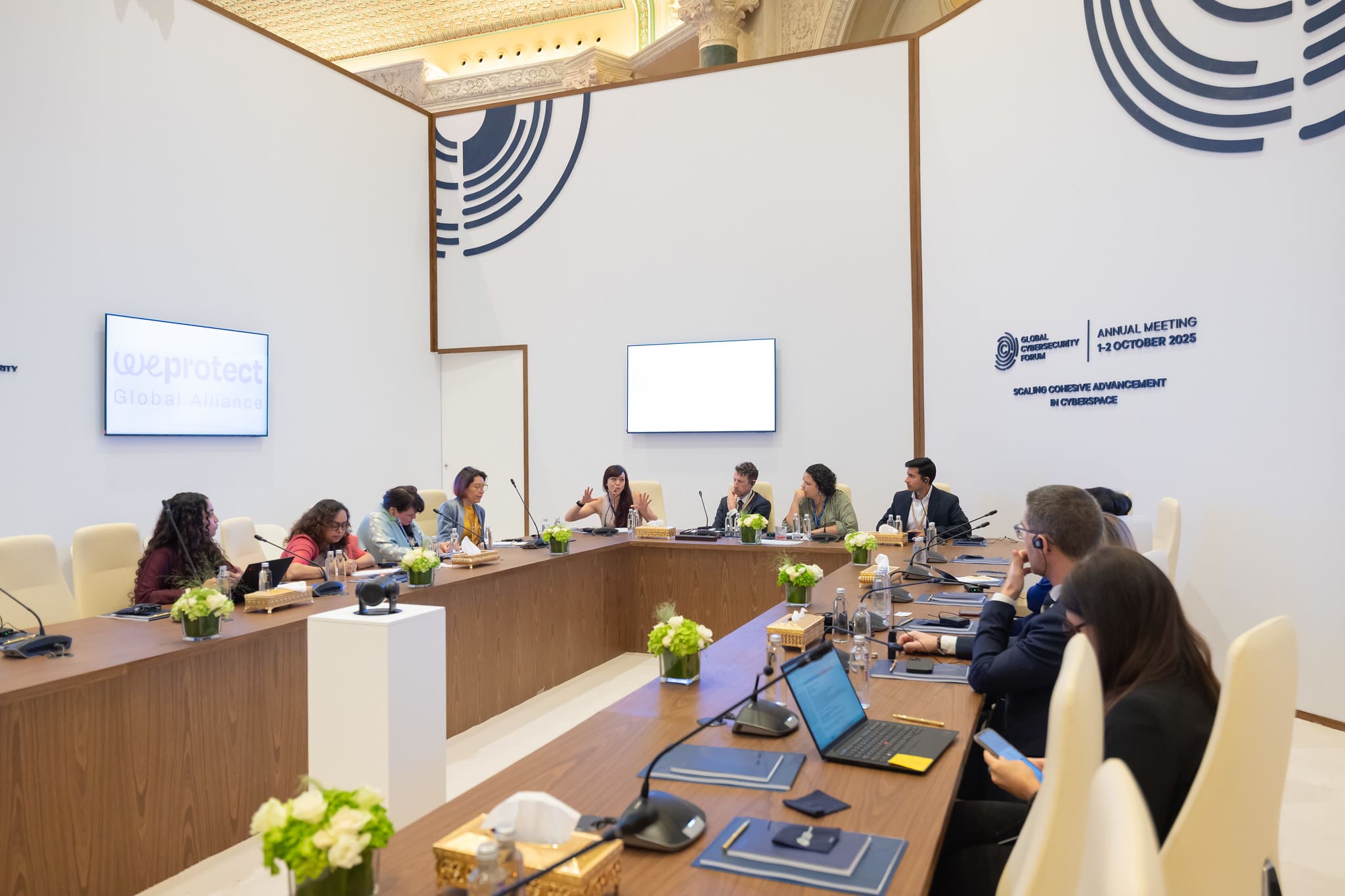
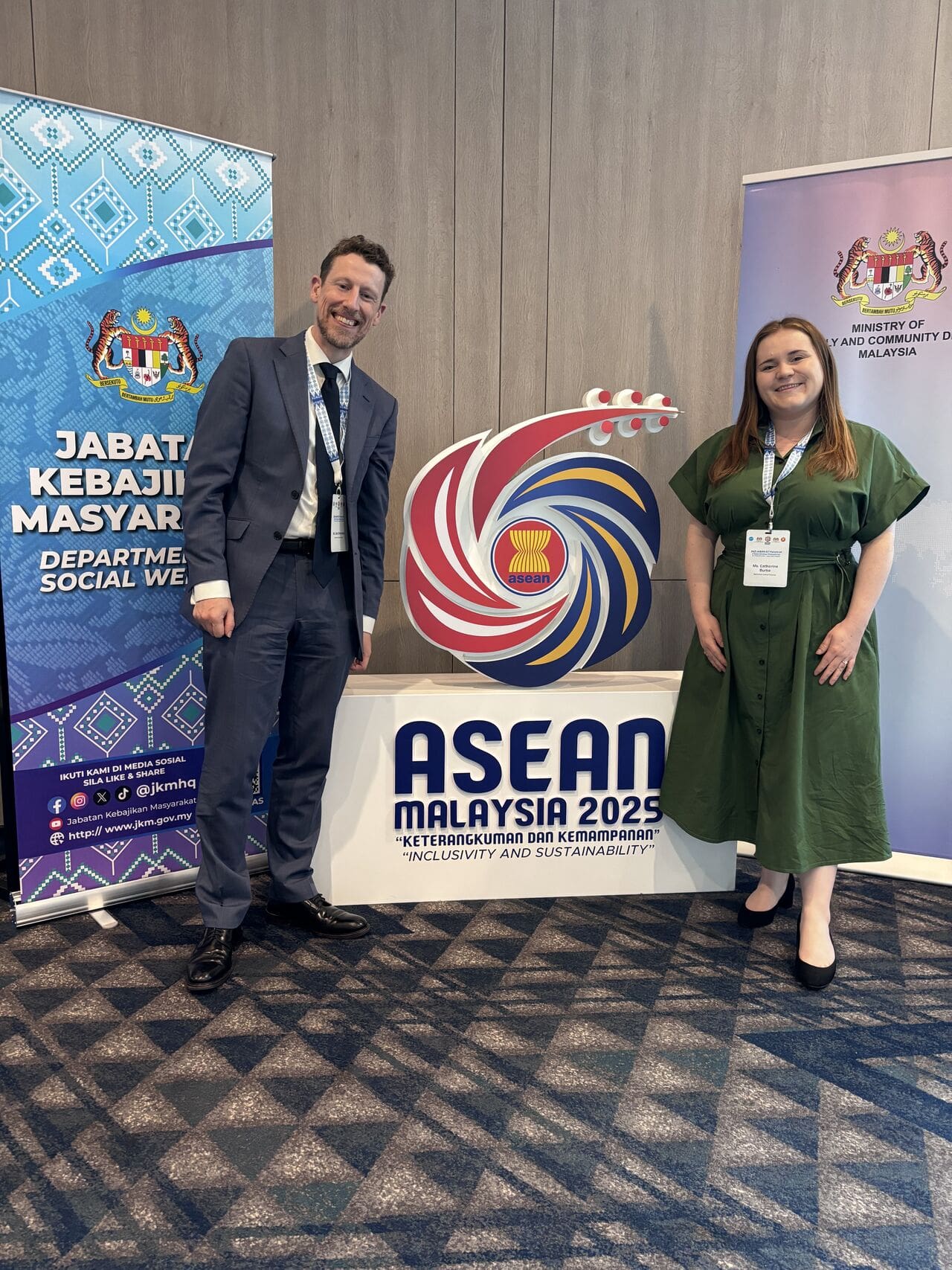
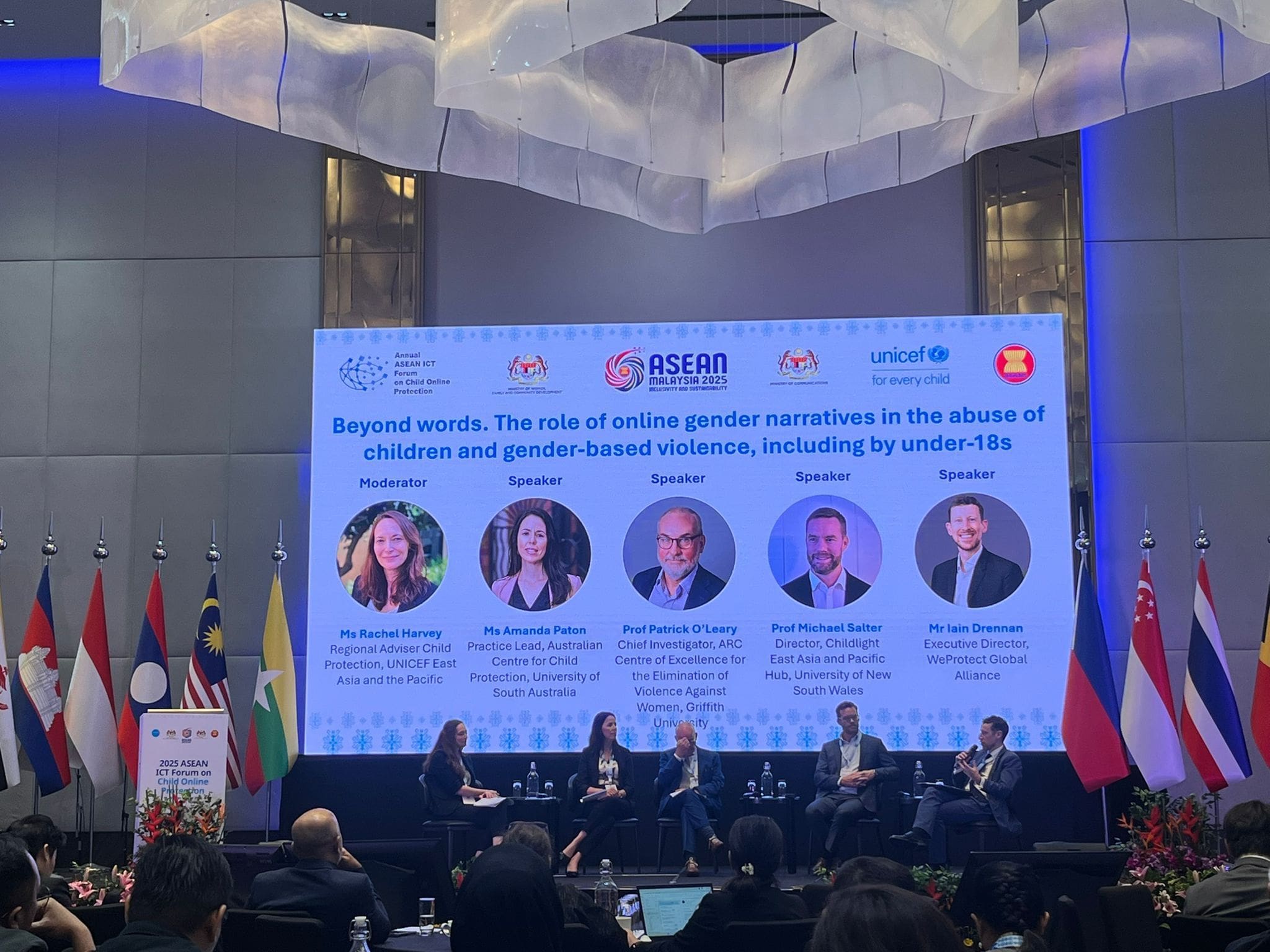
The remainder of 2025 entailed a number of other global gatherings with highlights including the Global Global Cybersecurity Forum in Riyadh, ASEAN ICT Forum in Kuala Lumpur and Vatican high-level conference in Rome.
Against this backdrop of global convenings, we witnessed a number of significant international and regional policy, regulatory and legislative developments, including the U.S. Take It Down Act signed into law in May, Brazil’s Digital Statute of the Child and Adolescent enacted in September, and Australia’s social media delay which came into effect this month, as well as many other developments explored in our six-monthly Policy and Legislation Update for members.
Convening our members to facilitate cross-sector and cross-border action
In 2025, WeProtect Global Alliance facilitated convenings for our 345 members, to foster international and cross-sector dialogue and drive transformative change through six meetings of our Private Sector Reference Group, Civil Society Reference Group and Global Taskforce.
We enjoyed bringing together our members for a deep dive webinar on the important topic of protecting disabled young people from exploitation and abuse in digital spaces, with expert speakers presenting on the latest research and from lived experience from DeafKidz International and Terre des Hommes Netherlands.
Launching ground-breaking research
Evidence-based solutions are central to our mission, and 2025 marked a year of significant new research on several fronts.
In May, we launched a new report on the health and wellbeing of frontline responders to technology-facilitated abuse at the IPPPRI 25 conference, shedding light on the human cost of this challenging work and the need for better support.
In September we launched research as part of the Safe Futures Hub providing valuable insight into the growing prevalence of children under 18 who have displayed harmful sexual behaviours (HSB). The report provides insights into evidence-informed practices and actionable recommendations for strengthening prevention and response efforts across sectors.
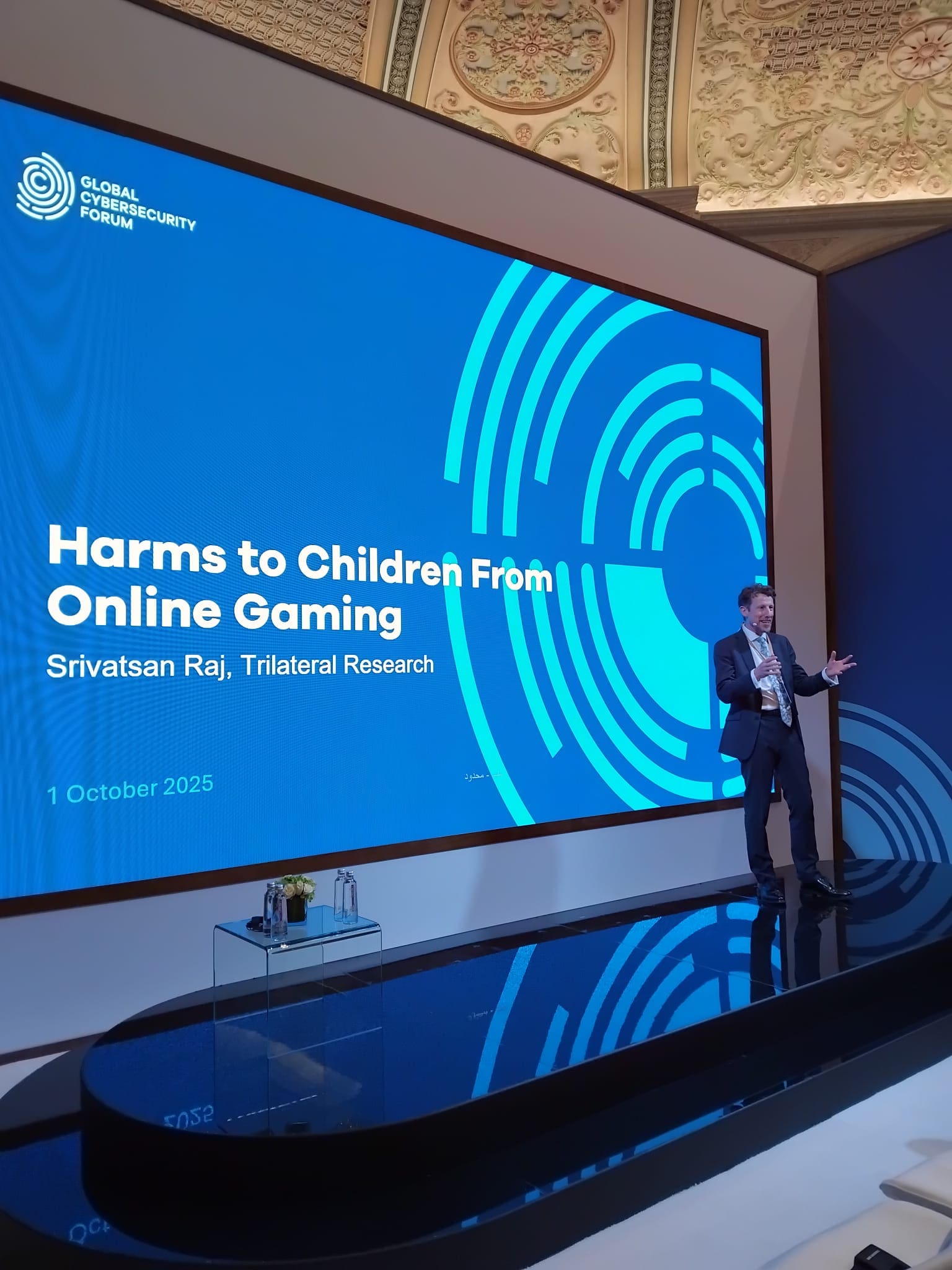
At the Global Cybersecurity Forum in Riyadh in October, we presented findings on risks to children in online gaming environments, and we look forward to publishing the full evidence-review report and second stage of the research in 2026.
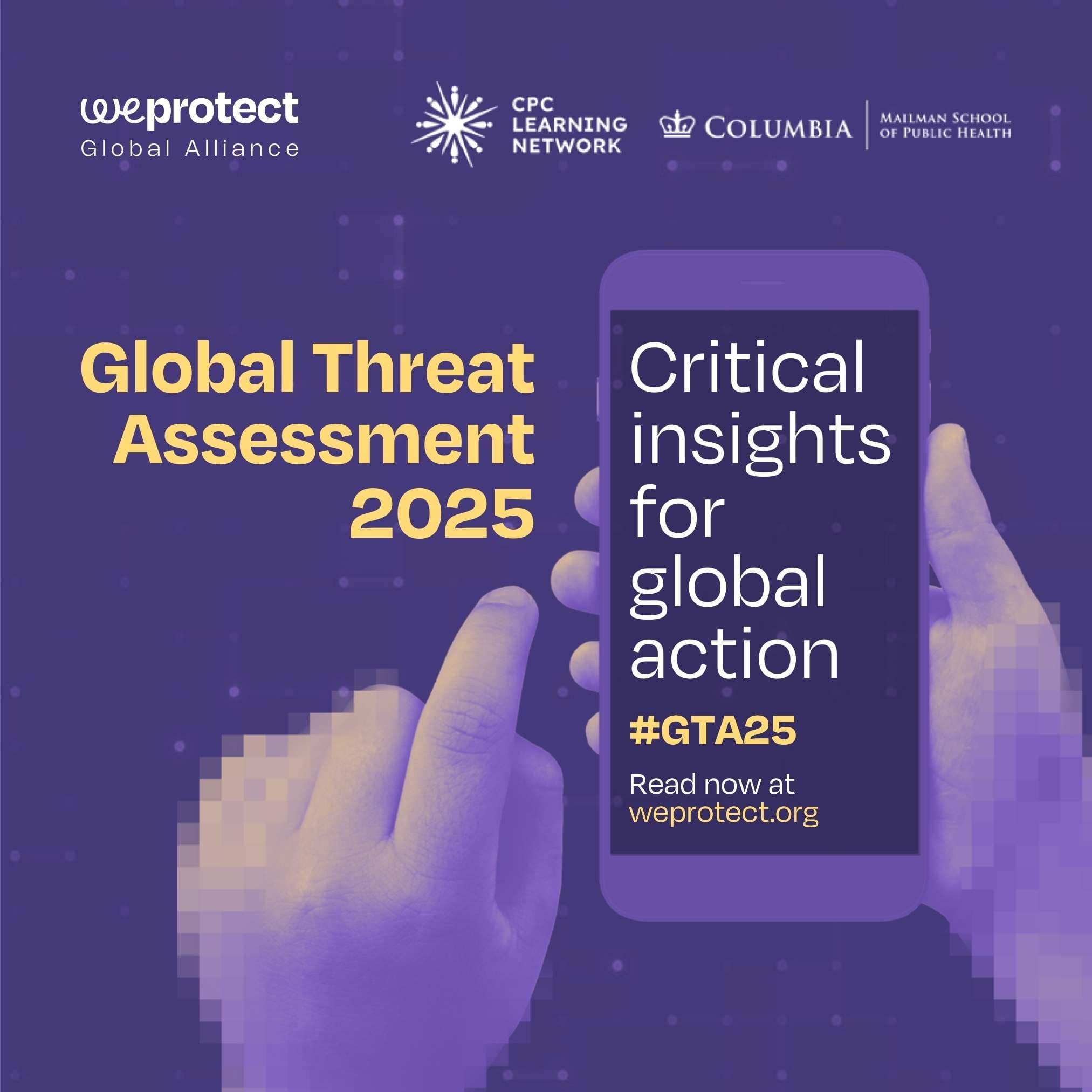
To conclude a year of innovative research, we launched the latest edition of our most extensive biennial report, the Global Threat Assessment 2025 this December, providing a comprehensive analysis of the global scale and nature of technology-facilitated child sexual exploitation and abuse between 2023 and 2025.
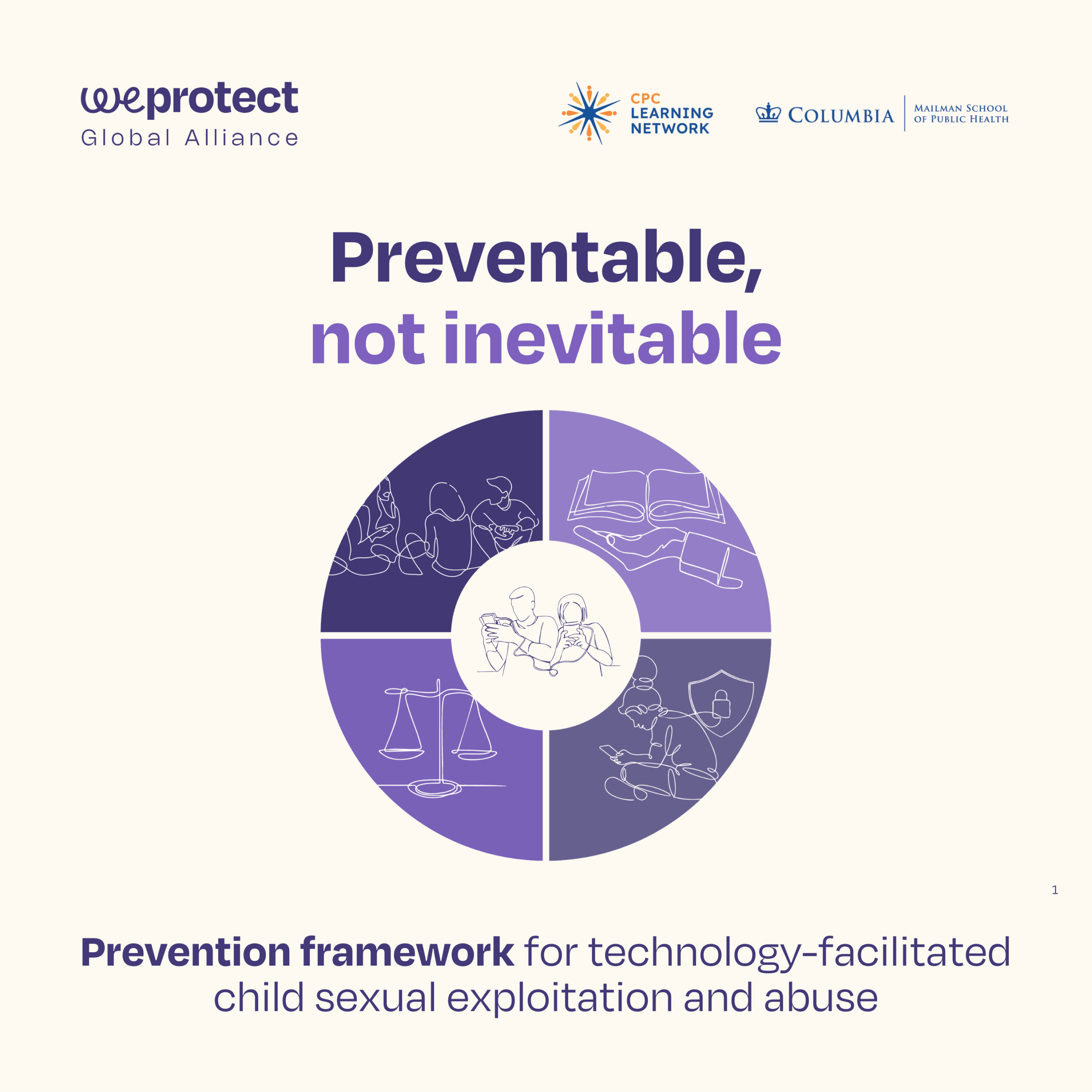
The Global Threat Assessment 2025 provides essential insights from our members, youth, survivors, and experts, and delivers our new Prevention Framework to guide coordinated, prevention-focussed action in the months and years ahead. It sheds important new light on both the technological and behavioural drivers of abuse and puts forward evidence-based solutions from around the world.




Championing child and survivor voices
At WeProtect Global Alliance, we recognise that children and survivors are essential stakeholders in the development of a safer digital world, yet their voices and experiences are all too often missing from conversations around policy and legislation and the development of new technologies and online safety mechanisms.
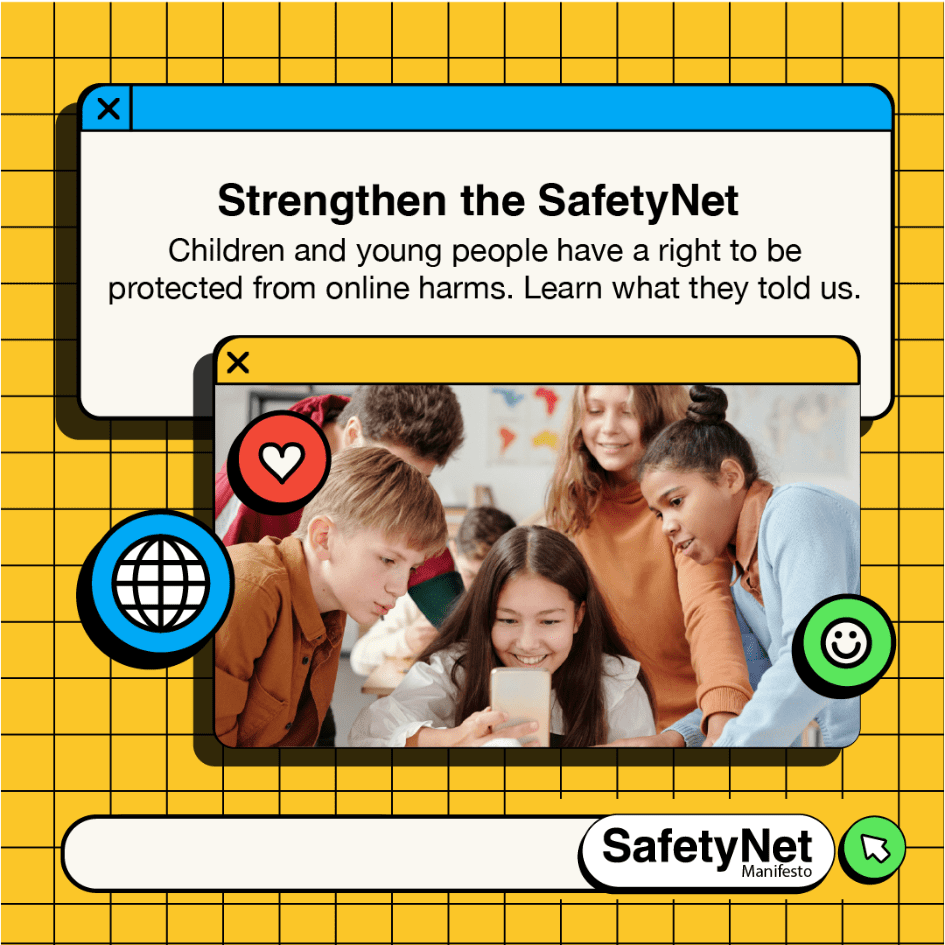
In 2025, we deepened our commitment to meaningful participation and were delighted to continue our #MyVoiceMyFuture participation work of previous years by coordinating a global project which culminated in the launch of the launch of the youth-led SafetyNet Manifesto, published on the Safe Futures Hub in July.
The Manifesto and suite of digital advocacy assets are based on global consultations with 109 young people across 10 countries and provide a roadmap of digital rights that children and young people need to feel safe online. We published the[FD1] key insights from the global consultations, showcasing young people’s priorities and perspectives on the future of the online world and digital safety. We enjoyed seeing youth leaders and our members around the world unite to promote the SafetyNet Manifesto across social media and digital channels.
As the Global Threat Assessment 2025 shows, children’s participation is not symbolic – it is strategic. Their voices help identify emerging risks faster than traditional research and shape prevention strategies that work in practice. When children lead, prevention becomes smarter and more proactive.
Keeping up with the rapidly evolving threats
This year is the role of Artificial Intelligence (AI) in proliferating and tackling child sexual abuse content onlinehas continued to be a central theme of our work. While reports of abuse linked to AI have sky-rocketed, our work to raise awareness about this rapidly growing form of harm and tackle it has accelerated too.
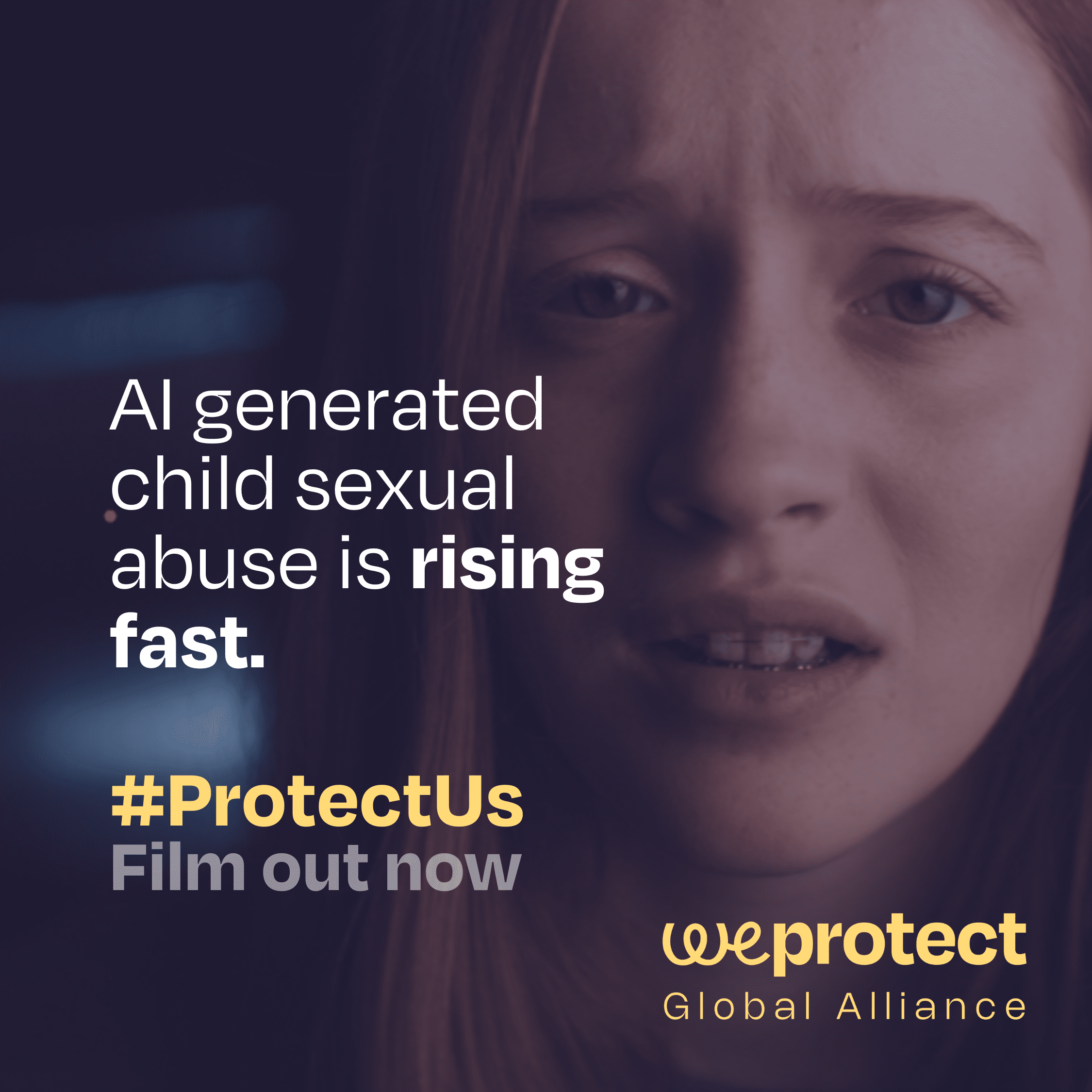
Back in January, we launched our Protect Us film exposing the harrowing ways generative AI applications and chatbots are being weaponised to exploit children online and call on global leaders to take decisive action to safeguard children and young people.
Since then, Protect Us the film has been viewed more than 18 thousand times, subtitled into multiple languages and screened in meetings, private screenings and used by parents, educators and youth workers as an educational tool.
We also joined BBC CrimeWatch Live this November to discuss AI-related risks depicted in the film, and the urgent need for improved safeguards.
Other emerging risks such as the shift to encrypted technologies and emerging technologies and compounding social and behavioural risks are explored in detail in the Global Threat Assessment 2025, and ensure that we are focussing not only on the current problems but also looking ahead to areas that are likely to reshape the issue of online child protection in the years to come.
Looking forward to 2026 and beyond
As we close this momentous year and conclude the final chapter of our existing strategy, we are preparing to launch an exciting new phase of our work.
We look forward to hosting our 2026 webinar series, providing a deep-dive into topics from the Global Threat Assessment 2025, beginning in February with an exploration of the Prevention Framework in practice. Visit our Events listings for the latest information and to register. We will also publish further gaming-related research and continue convening global leaders, supporting our brilliant members and much more.
Thank you to our Alliance members, partners and supporters for all you have helped us to achieve this year. Together, we are paving the way for a safer digital world for children.